

From the Publisher

The Best of Pacific Northwest Paddling
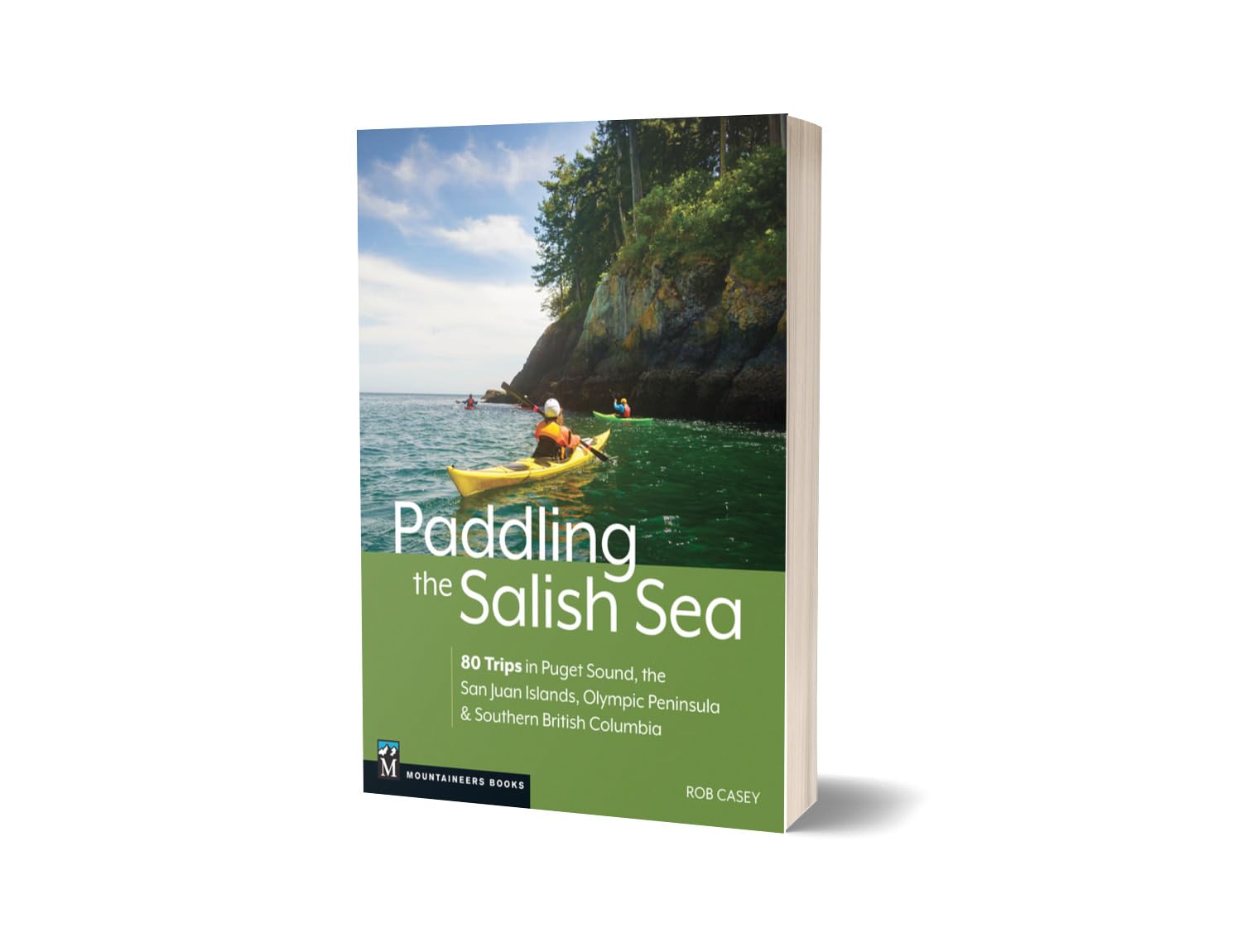
For sea or flatwater kayakers, canoeists, rowers, or stand up paddleboarders, Paddling the Salish Sea is the must-have guide for discovering the wonders of this extraordinary region.
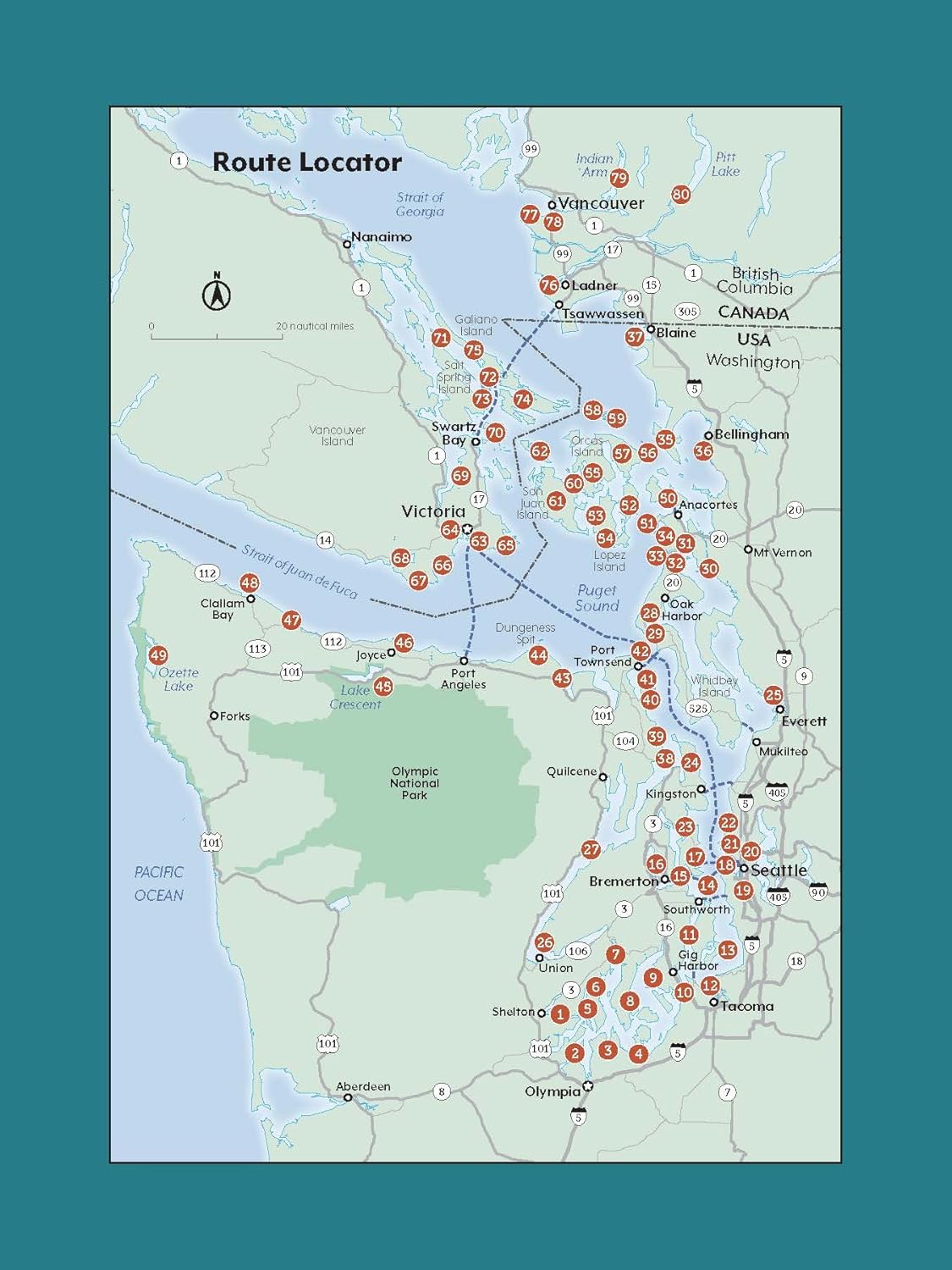
This guidebook covers:

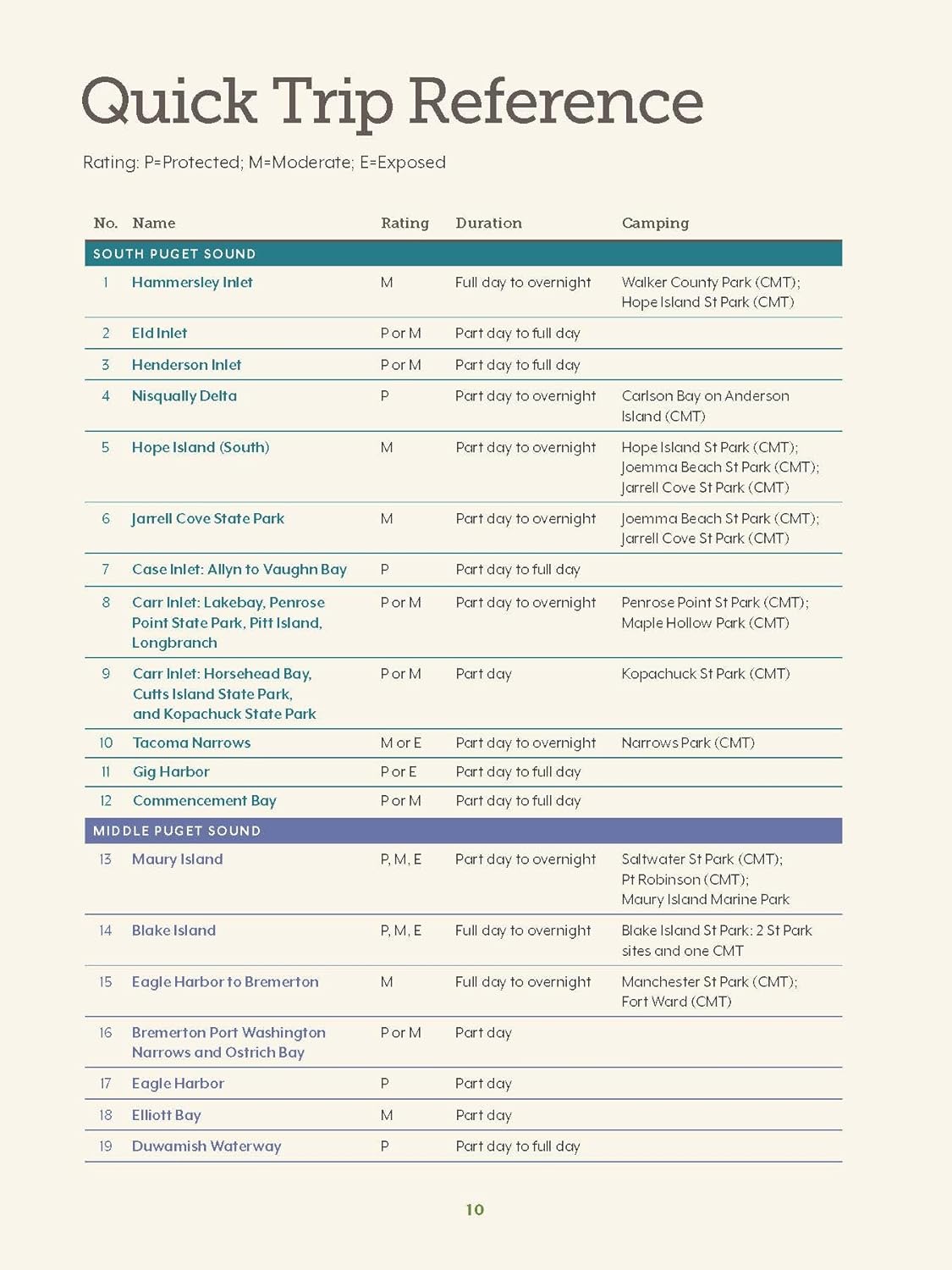
South Puget Sound
The South Puget Sound region is the area south of the Tacoma Narrows, which separates Kitsap Peninsula from the city of Tacoma. It is known for its islands, protected backwaters, 450 miles of shoreline, and little to no crowds. Enjoy easy access from Seattle and Tacoma, avoiding long summer ferry lines.

Middle Puget Sound
This section of Puget Sound is an easy getaway for city-dwellers, offering many paddles close to home. A few Cascadia Marine Trail sites are within paddling distance of Seattle. With epic views of the Olympic and Cascade Mountains, launches and campsites can get busy in summer.

North Puget Sound
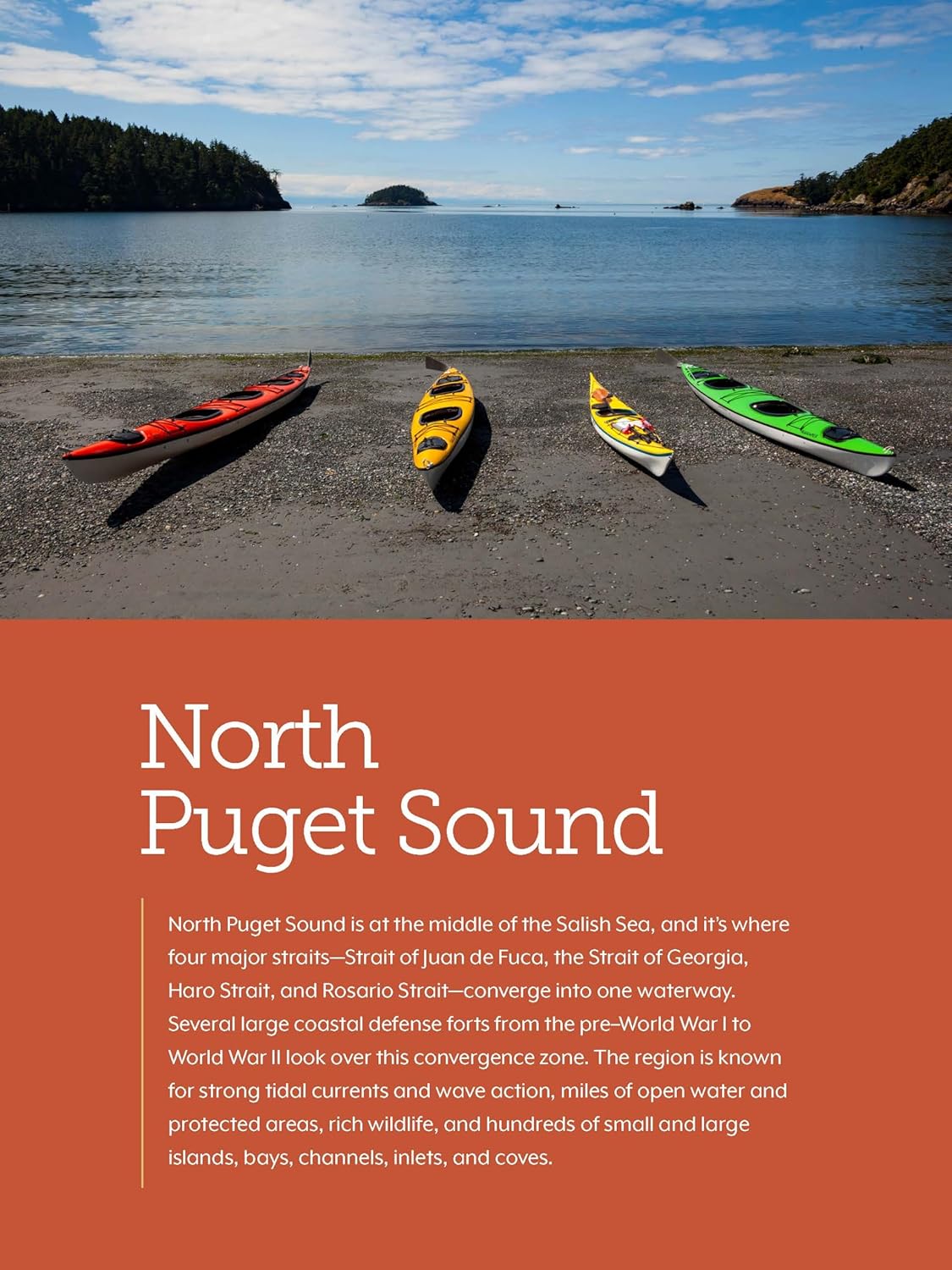
North Puget Sound is at the middle of the Salish Sea, and it’s where four major straits—Strait of Juan de Fuca, the Strait of Georgia, Haro Strait, and Rosario Strait—converge into one waterway. Several large coastal defense forts from the pre–World War I to World War II look over this convergence zone. The region is known for strong tidal currents and wave action, miles of open water and protected areas, rich wildlife, and hundreds of small and large islands, bays, channels, inlets, and coves.

Olympic Peninsula
The Olympic Peninsula is a diverse region of small, picturesque port towns, remote waterways, and the towering, magnificent Olympic Mountains. With some of the peninsula located on Puget Sound and the rest on the more coastal Strait of Juan de Fuca, the region has dynamic waterways and beaches for all types of paddlers. The peninsula lies across the water from Vancouver Island, allowing easy access to trips in British Columbia.

San Juan Islands
The San Juan archipelago, featuring 175 named islands and islets (400 total, including unnamed rocks), provides beginning paddlers with many protected bays and coves, while advanced paddlers can enjoy the open water with swift currents. It’s a very dynamic place to explore. Archaeological evidence shows people arrived at the islands fourteen thousand years ago, with shell middens and house sites dating back at least nine thousand years. Anthropologists have identified these people as Northern Straits Salish, including Saanich, Samish, Songhees, and Lummi. Spanish explorers arrived in the 1790s and named many
of the islands. The transition from an undeveloped landscape began in 1853 as settlers and logging operations began to appear.

Victoria and the Gulf Islands
Victoria and the Gulf Islands offer paddlers a wide range of trips from quiet, protected bays to fast-moving currents and island camping. Victoria trips allow for great city views and easy escapes along the Strait of Juan de Fuca or northward toward the Saanich Peninsula. The Gulf Islands make you feel much farther away with quiet bays, many islands to explore, and quaint small villages.

Vancouver, British Columbia
With majestic fjords north of the city and the mighty Fraser River to the south, paddlers will find endless opportunities around Vancouver, British Columbia. Explore the slow-moving waterway of Widgeon Creek with towering mountains rising above. Or venture into Indian Arm’s fjord with its waterfalls and tree-topped islets. Paddle through the heart of urban Vancouver on False Creek and English Bay. Or enjoy a drift on the lower Fraser River past fishing boats and houseboats while also keeping an eye open for waterfowl and harbor seals.
Sample Pages


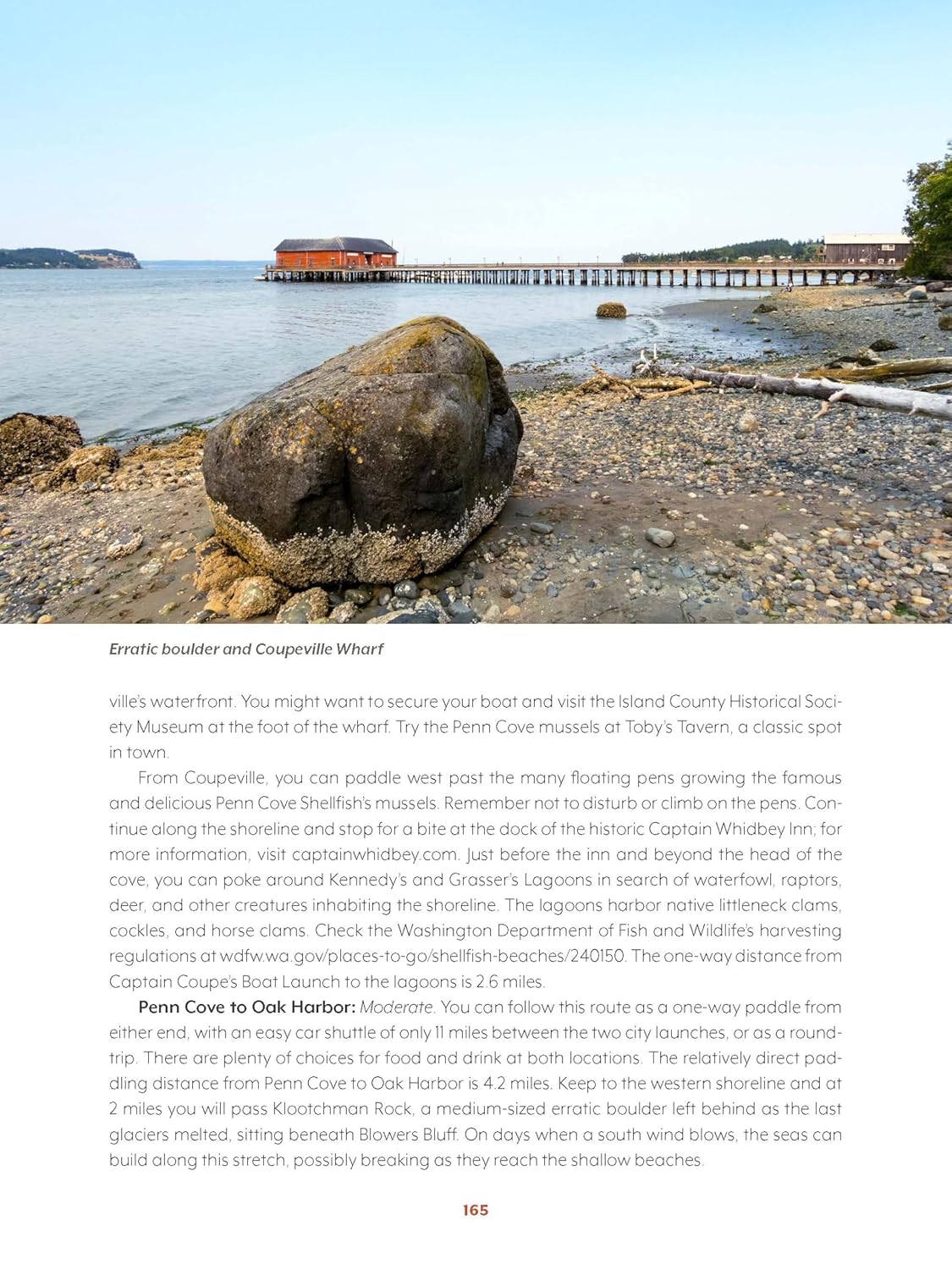
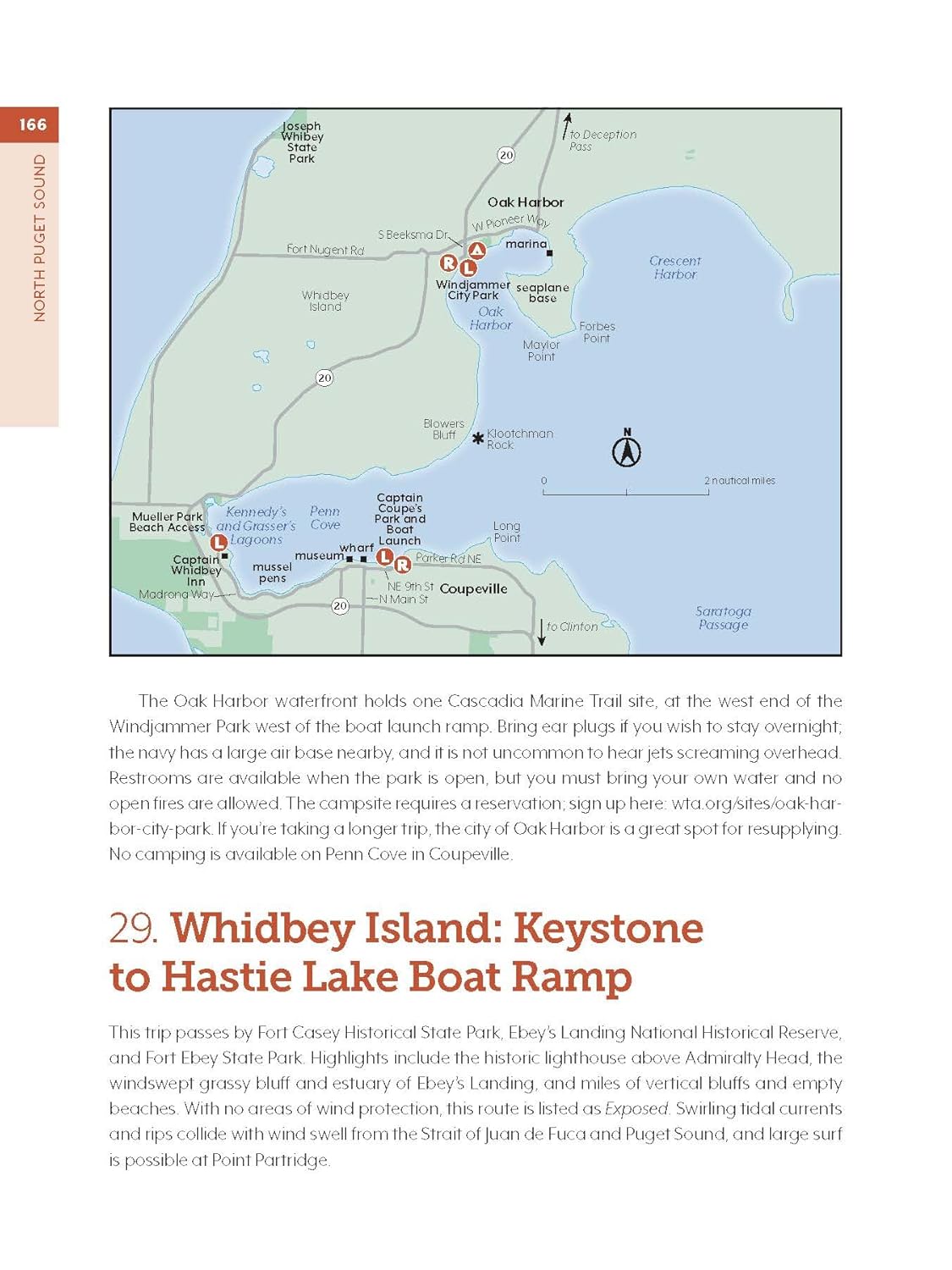
Kayakers exploring Bachelor Rock off Observatory Point – from trip #46: Freshwater Bay to Salt Creek Recreation Area
Be the first to review “Paddling the Salish Sea: 80 Trips in Puget Sound, the San Juan Islands, Olympic Peninsula & Southern British Columbia”
Related products



Reviews
There are no reviews yet.